Chapter One
Pioneering Research in Health Equity and Structural Violence
"How does systemic inequality become physically embodied?"
A central theme of Dr. Mendenhall's work is the exploration of how systemic inequality becomes physically embodied, leading to profound health disparities. Her research provides a critical lens on the concept of structural violence, where social structures and institutions inflict harm on individuals and communities.
The cornerstone of this work is the South Chicago Black Mothers' Resiliency Project, which began in 2013 and has continued to inform her research through the last five years.

A model illustrating the intersection of community, research, and policy in achieving health equity.
Key Findings: The Embodiment of Stress
This project moved beyond correlating poverty with poor health outcomes to uncover the biological mechanisms at play. The study involved nearly 100 low-income Black mothers on Chicago's South Side, a community grappling with high rates of gun violence.
- Combined in-depth interviews, surveys, and genomic analysis.
- Mothers perceiving neighborhoods as unsafe showed greater expression of genes regulated by the glucocorticoid receptor (GR).
- This biological response negatively impacts the immune system, metabolism, and cardiovascular health.
"We found that mothers who perceived their neighborhoods as unsafe exhibited greater expression of genes regulated by the glucocorticoid receptor... providing a clear pathway from social conditions to biological outcomes."— Journal of Racial and Ethnic Health Disparities (2023)
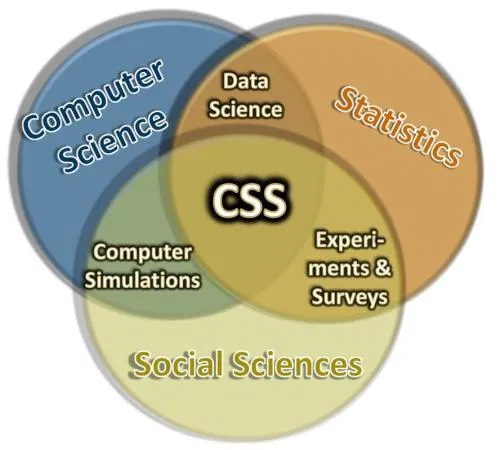
Dr. Mendenhall's work integrates computational social science with qualitative analysis.
Reframing the Discourse
This research has been instrumental in reframing the discourse on health disparities, shifting the focus from individual behaviors to the social and environmental determinants of health. It provides empirical evidence that the lived experience of racial and economic segregation is not just a social issue, but a public health crisis.
SASH™ Homes: Designing for Healing
Directly applying her findings on structural violence, Dr. Mendenhall developed the Smart, Affordable, Small and Healing (SASH) homes model. These units address the intersection of health disparities and housing insecurity by creating environments specifically designed to reduce stress and promote biological resilience.
From Data to Design
"We are not just documenting disparities; we are building the physical infrastructure for healing."
- Integrating biosensors to monitor stress reduction in real-time.
- Creating affordable ownership pathways to build intergenerational wealth.
- Scalable model for urban renewal without displacement.